
 book a call with us
Every Web3 team hits the same wall. Your smart contracts are ready. Your front end looks great. Then you try to connect everything and realize the hardest part is not the blockchain. It is the messy glue code holding your app together. This is when a real Web3 API provider stops being optional. Kwala steps in here. It works as a backend logic […]
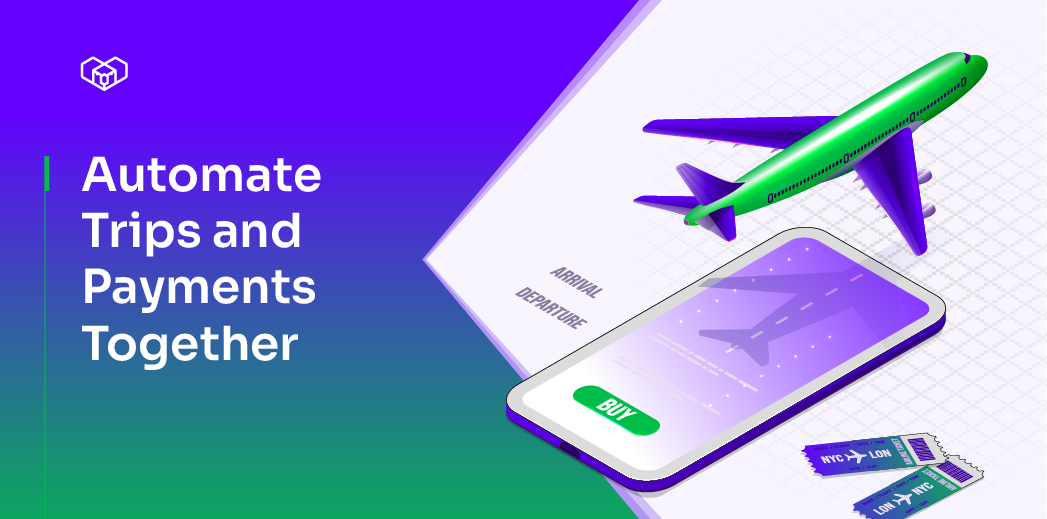
Read MoreTired of the backend acting as a clunky third-party entity between you and automated travel tasks?
When blockchain technology transformed the booming travel industry, it aimed to eliminate intermediaries. However, slow backends bring you to square one.
Picture this: a user hits ‘Book’ on your decentralized application (dApp) expecting lightning-fast processing. However, it falls flat. Why? Because the booking and payment information on the blockchain (Web3) and the tasks (splitting funds, emailing a ticket) on the Web2 are glued together by manual code.
The result is a crippling bottleneck that stalls fulfillment and frustrates the user.
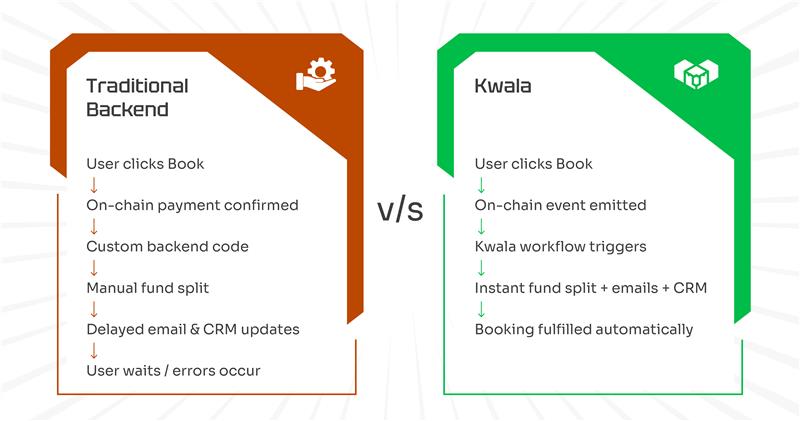
With a travel dApp booking workflow engine like Kwala, you can break the bottleneck and automate travel workflows in minutes.
In this blog post, we discuss how Kwala’s travel automation workflows cut through manual code for faster outcomes and how you can set it up in simple steps.
Where traditional backends fall short, no-code automation begins
Informatics finds out that “In 2025, blockchain technology is expected to become a central component of business operations in the hospitality and tourism industry.”
However, these outcomes can’t reach their full potential if backends slow everything down.
Take a common case: A user books a trip on a traditional Web3 app. The booking is confirmed on-chain instantly, but the fulfillment process stalls because everything after the payment moves off-chain.
The core payment and booking information lives on a blockchain (Web3), but all the resulting crucial tasks are separate:
- Instantly splitting the funds among the airline, hotel, and platform via multisig.
- Emailing the detailed itinerary (ticket fulfillment).
- Updating the company’s traditional customer records (CRM) with the new booking ID.
Connecting these two worlds requires brittle, custom-coded ‘glue code,’ causing delays and potential failure.
How Kwala achieves instant fulfillment
- Real-time listening: Kwala listens directly to the smart contract event (e.g., BookingConfirmed) in real-time.
- Declarative workflow: The developer defines a pre-defined, declarative workflow that details the desired outcome. Kwala handles the execution logic.
- Instant execution: Kwala handles the entire execution, from the multisig call to the Web2 API updates, on a reliable, decentralized network.
- End-to-end Web2 ↔ Web3 bridging: Trip fulfillment relies on CRMs, databases, emails, and vendor APIs. Kwala’s Web2 Integration Layer connects directly to these services, automating itinerary emails, ticket PDFs, refunds, and customer updates.
- Deterministic execution ensures no missed bookings: The KVM interprets workflows deterministically, ensuring every booking (whether 1 or 10,000) triggers the exact same steps.
Traditional vs. decentralized backends for travel: a comparison
Why rely on brittle, high-cost infrastructure when you can utilize an agile, decentralized executor? The difference is in velocity, reliability, and cost predictability.
Here’s a comparison between using traditional backends and Kwala’s travel automation engine:
| Feature | Traditional Backend (Self-Coded) | Kwala (Decentralized Backend) |
| Payment settlement | Manual, delayed fund splits (3-7 days) using centralized accounts. High fraud risk. | Instant, trustless fund split (multisig) triggered by on-chain events. |
| Trip fulfilment | Requires custom API code to bridge booking confirmation to email/CRM systems. Fragile. | Automatic Web2 API calls (SendGrid, Salesforce) triggered by a single on-chain event. |
| Error handling | Requires complex retry logic and dedicated monitoring servers. | Execution is verifiable and auditable; built-in error handling and retry mechanisms. |
| Infrastructure cost | High fixed costs for servers, hosting, and constant DevOps maintenance. | Pay-as-you-go credit model; developers focus only on workflow logic. |
Kwala travel automation workflows: a step-by-step guide
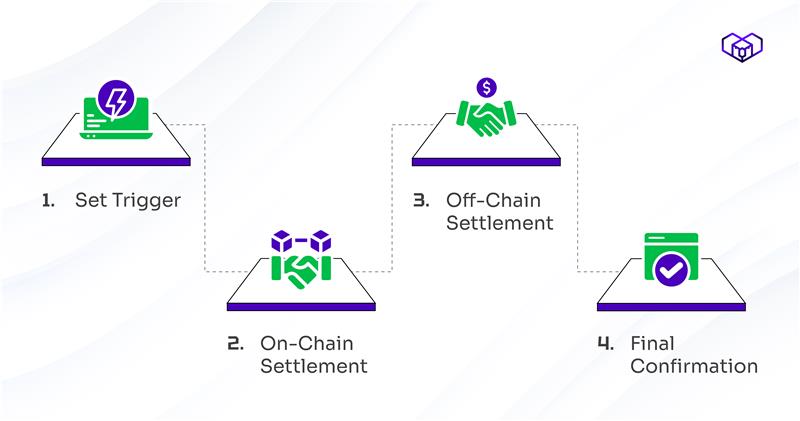
This flow, managed entirely by Kwala, ensures funds are settled, services are notified, and the user receives confirmation automatically.
Here’s how to set it up:
Step 1: The event trigger
The booking is confirmed, but the journey hasn’t started. Kwala listens for the specific BookingConfirmed event emitted by your dApp’s smart contract on the Ethereum or Polygon network.
Step 2: On-chain settlement and split
The first action is critical: funds must be distributed immediately to all parties: the platform, the vendor (airline/hotel), and any referral partners.
Kwala executes a call to the multisig contract, triggering a pre-defined function to sync and split the payment instantly. This on-chain split payments automation is trustless and verifiable.
Step 3: Off-chain fulfillment with Web2 API
The execution doesn’t stop at the blockchain. Kwala then uses its native API capabilities to connect with your existing Web2 services in parallel.
Kwala triggers two simultaneous API calls: one to SendGrid to fire off the detailed itinerary email, and another to Salesforce to update the customer’s record with the new booking ID and revenue data.
Step 4: Final confirmation and audit
The entire workflow, from listening to execution, is cryptographically secure and auditable. Kwala acts as the invisible executor, coordinating Web3 payments and Web2 fulfillment in one reliable flow.
Kwala: your personal travel dApp booking workflow engine
Most of the travel bookings fail because the backend around them can’t keep up. After walking through the gaps in today’s systems and how Kwala closes each one instantly, the bigger picture becomes clear. You’re not just automating tasks; you’re redefining how a travel dApp operates.
Kwala replaces months of backend engineering with one clean workflow that listens, reacts, and executes every part of fulfillment: payments, splits, itineraries, CRM updates, vendor actions, refunds. No servers, no glue code, just reliable, verifiable automation running on a decentralized network.
Kwala is more than a protocol; it’s your agentic partner, always ensuring that your Web3 trip booking automation vision is realized with speed and precision.
Ready to explore decentralized travel? Try smart travel booking workflows using Kwala today!
FAQs
How does Kwala ensure the security and integrity of the Web2 API calls and sensitive data?
Kwala secures every Web2 API call through an encrypted credential vault, decentralized executor nodes, and cryptographic signatures that verify each action. This ensures sensitive data stays protected end-to-end while maintaining full auditability across every step of the travel automation workflow.
What blockchain networks and Web2 platforms does Kwala support for listening and execution?
Kwala listens to events across major EVM chains like Ethereum, Polygon, Arbitrum, and BSC while connecting seamlessly to Web2 tools such as Salesforce, SendGrid, and Twilio. This lets travel platforms unify blockchain payments with real-time API-based trip updates effortlessly.
Can Kwala handle complex, multi-stage workflows, such as conditional refunds or itinerary changes?
Yes, Kwala’s declarative YAML enables multi-step, state-aware logic like date-based refund rules, automated rebooking checks, or chained approval flows. You can design intricate conditions that adapt automatically to traveller actions, payment events, or system-triggered updates.