
 book a call with us
Building in Web3 still feels heavier than it should. Developers spend more time fixing infra, writing listeners, and stitching chains together than actually shipping features. A Web3 backend platform for developers is no longer a nice-to-have. It’s essential. Kwala steps in as a developer backend platform that Web3 teams can trust. It provides multi-chain workflow automation for developers, a serverless blockchain infrastructure for developers, and a no-DevOps […]
Read MoreDecentralised finance (DeFi) is moving faster than any of us can keep up with manually. And with 83.2 million active DeFi users, on-chain activity has become denser. Your creditworthiness can change in seconds, yet most scoring systems update hours (or days) later.
But tracking that manually is almost impossible. You’d need to monitor events nonstop, parse contract logs, and run scripts. That’s where dynamic credit scoring simplifies your job. You can easily set it up with Kwala, the first-ever platform for Web3 backend automation. Let’s break down how it works.
Why do you need automated credit scoring?
If you’re actively using DeFi or any on-chain financial services, you know how fast things move. When you’re not tracking it in real time, you could:
- Lose access to borrowing tiers or lending options you qualify for.
- Make decisions based on outdated credit data.
- Miss out on rewards, incentives, or better interest rates.
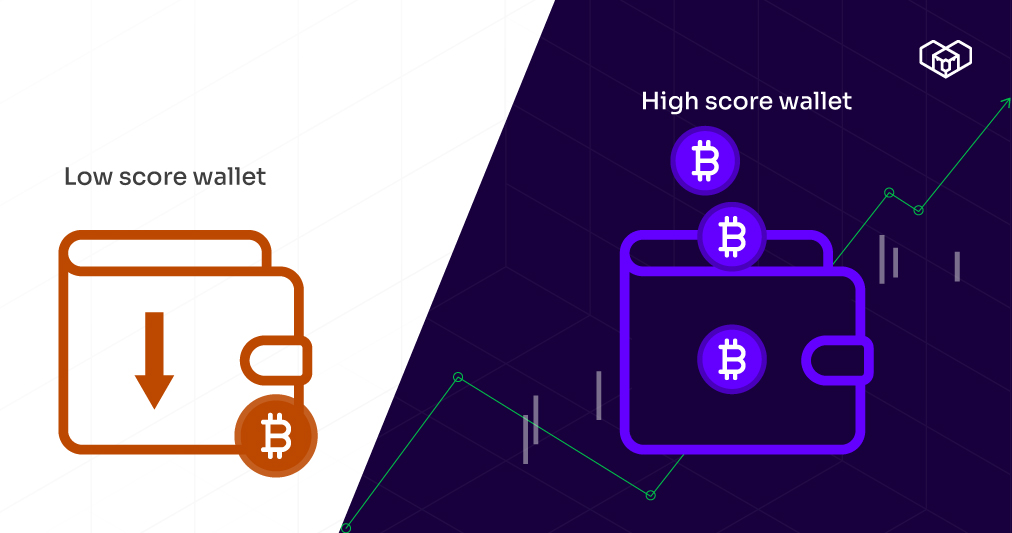
That’s why automated credit scoring is essential for you. It ensures your credit profile stays up to date, giving you an instant, clear picture of your financial standing.
Your Pre-Setup Essentials
Before you set up automated credit-score updates, make sure you’ve got these basics ready:
- Kwala account: This is where you can create your trigger, set up your action, manage the logic, and deploy your automation.
- A smart contract + chain ID: Kwala will listen to events emitted by this smart contract to decide when a user meets a threshold.
- The event name + Application Binary Interface (ABI): Whether it’s Transfer, Borrow, Repay, or a custom event your protocol emits, Kwala needs the event details to correctly detect activity.
- Off-chain credit score endpoint: This is where Kwala will send updated scores when your predefined threshold is crossed. It could be an API in your backend or a lending decentralised app (dApp)’s scoring engine.
Steps to create on-chain credit score automation
Once you have the basics ready, let’s visit the Kwala console and create a new workflow. Here’s exactly how to set it up:
Step 1: Define the on-chain event that should trigger the score update
Begin by identifying the smart contract event that will signal Kwala to update a user’s credit score. In dynamic scoring workflows, these events act as the authoritative source of truth: whenever your contract emits them, Kwala immediately picks them up and runs the workflow.
This event could represent milestones such as:
- Total transaction volume
- Number of successful repayments
- Frequency of wallet activity
- A specific event emitted by your lending or scoring contract
Once this event is selected, Kwala’s monitoring engine uses it as the trigger, ensuring the score refresh happens precisely when the blockchain says it should.
Step 2: Create a workflow and add your smart contract details
Firstly, you’ve to name the new workflow such as “dynamic_credit_score_update.” Now, add the following details to your Web3 credit scoring workflow:
- The smart contract address
- The chain ID (Ethereum, Polygon, Base, etc.)
- The ABI (paste it manually if Kwala can’t fetch it automatically)
Once this is added, Kwala can monitor every relevant event or state change in real time.
Step 3: Execution settings
Set the Execution to ‘Event’ and provide Event details emitted from the smart contract. Repeat after every event. This ensures that you’ll receive automated lending dApp credit updates the moment your predefined condition is met.
Step 4: Add the action to update the off-chain credit score
Here, you’ve to create a new action such as update_credit_score and set:
- Action Type as POST (API Call)
- Enter the endpoint, which is your lending dApp or backend scoring engine (where scores get calculated or stored)
- In the payload, include your wallet address and any on-chain event data, you need for the credit model to process the update. This could be fields such as amountBorrowed, repaymentAmount, timestamp, or loanId.
Step 5: Set execution order + deploy
Choose Sequential execution, so the process follows this flow:
- Trigger fires
- Credit score is updated
- Lending dApp is notified
Lastly, review the YAML file. Once you’ve assessed all the details, then hit Save & Deploy. Your Kwala dynamic credit scoring workflow is live now.
Make smarter credit moves without lifting a finger with Kwala
If you’re active on-chain, your creditworthiness isn’t static; it changes with every transaction. But tracking those shifts manually is where things fall apart. You either miss updates or rely on delayed systems.
Platforms like Kwala fix that by giving you your own automation engine without coding or maintaining servers. It syncs your score with your on-chain behaviour, instantly and accurately.
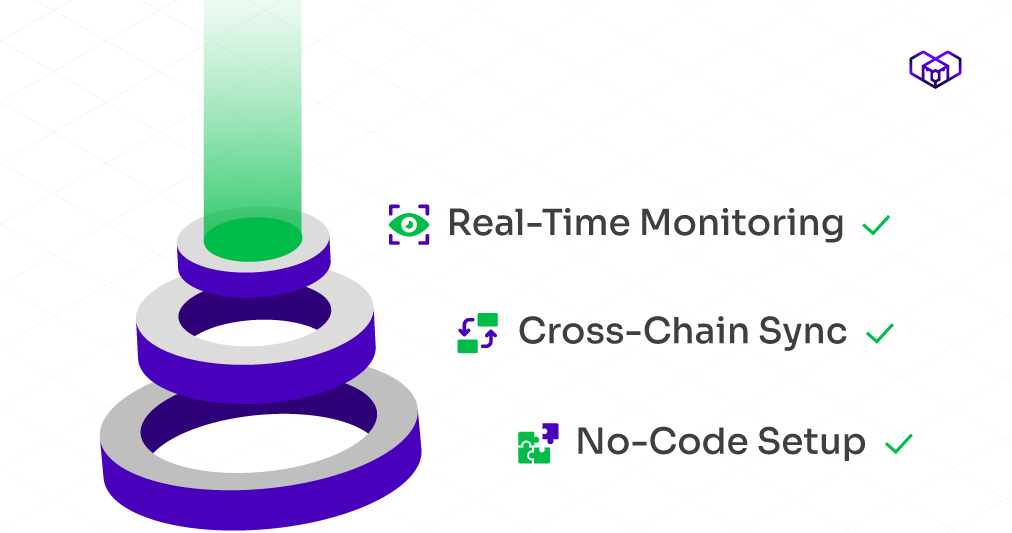
Kwala’s smart contract–based scoring workflow does the following for you:
- Monitor wallet activity without running backend code
- Update scores automatically across chains like Ethereum or Polygon
- Notify your lending dApp instantly via webhooks
If staying updated in real time matters to you, start building your first workflow with Kwala.
Frequently asked questions
How does Kwala automate my credit score updates?
Kwala monitors smart contract events such as Transfers, Borrows, or Repays using the provided ABI and chain ID. It automatically triggers updates when thresholds are crossed and sends data to your off-chain endpoint.
What common issues cause workflow deployment failures?
Incorrect ABI format or mismatched event names often prevent Kwala from parsing smart contract data. Similarly, chain ID mismatches or invalid contract addresses also block event monitoring.
What if my lending dApp doesn’t support webhooks yet?
You can start with direct API POSTs to your backend scoring engine during transition. Then, gradually migrate to webhook endpoints as your dApp infrastructure matures. Kwala’s flexible actions accommodate both synchronous and asynchronous notifications.