
 book a call with us
If you’re trying to build your first dApp, you’ve probably hit the same wall – endless setup, confusing tools, and too many moving parts. Even with all the progress in Web3, launching something stable still feels harder than it should. That’s why more developers are turning to the Avalanche Blockchain. It’s fast, low-cost, and designed for real scalability. With subnets, near-instant finality, and full […]
Read MoreThe Celo Blockchain is fast becoming the go-to ecosystem for developers building real-world decentralised applications. It’s mobile-first, carbon-negative, and EVM-compatible: everything a developer needs to launch scalable dApps for a global audience.
However, building on Celo isn’t just about writing smart contracts; it’s about making those contracts work smarter.
That’s where Kwala comes in.
Kwala is redefining how developers build and automate on Celo: no code required. As a Web3 workflow automation platform, it lets you connect smart contracts, dApps, and protocols across chains through on-chain automation, ensuring every blockchain event seamlessly triggers follow-up actions.
In Web2, automation connects apps and APIs; in Web3, Kwala does the same for smart contracts and decentralised systems. Deploy faster, monitor seamlessly, and automate without complexity.
Whether you’re testing on Celo’s Sepolia Testnet or deploying live on Mainnet, Kwala bridges the gap between blockchain logic and modern workflow automation. It’s not just about building on Celo: it’s about scaling effortlessly with Kwala.
Why build on Celo
Celo Blockchain is designed for accessibility and sustainability. It’s EVM-compatible, carbon-negative, and optimized for mobile transactions: making it one of the most developer-friendly ecosystems in the decentralised space.
Developers can reuse Ethereum tools and contracts while benefiting from faster transactions and lower fees.
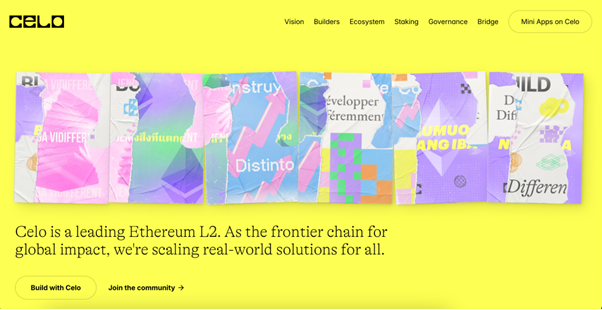
However, the real power of Celo emerges when combined with Kwala’s automation engine. Kwala removes the heavy backend lifting and lets developers build powerful automations triggered directly by on-chain events.
Every interaction, from a token transfer to a contract call, can automatically update external systems like CRMs, Sheets, or dashboards.
No code. No maintenance. Just seamless automation.
Supported networks: Celo Mainnet and Sepolia Testnet
Kwala fully supports both Celo Mainnet and Sepolia Testnet, giving developers flexibility at every stage of their build.
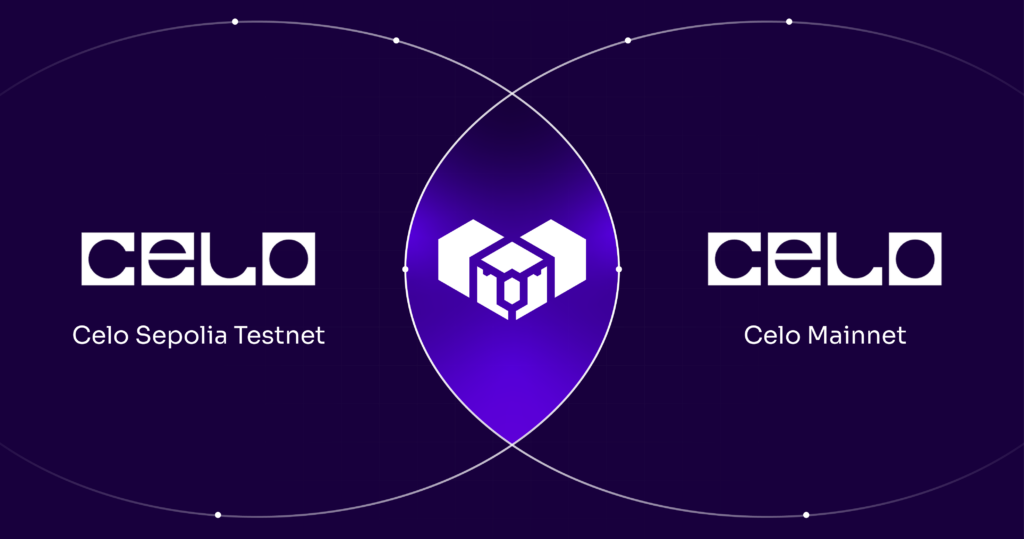
Celo Sepolia Testnet
Use the Testnet to safely experiment and test smart contracts before going live.
- Run dry transactions without real-value tokens.
- Validate Kwala automations in a risk-free setup.
- Ensure contract triggers behave exactly as intended.
Celo Mainnet
When your dApp is ready for real-world use, switch to Mainnet.
- Handle real transactions securely.
- Deploy and scale production-ready workflows.
- Connect smart contracts with business-critical Web2 tools.
With Kwala, the transition from testnet to mainnet is instant. You can absolutely forget the concern about code rewrites, new infrastructure, or a new setup.
How Kwala simplifies building on Celo
Blockchain integrations often need scripts or middleware.
Traditionally, blockchain integrations require scripts or middleware to interpret on-chain data. Kwala removes that hassle with a no-code Web3 automation platform built for developers.
Here’s how:
- Visual automation builder: Connect triggers and actions without touching backend code.
- Direct smart contract connectivity: Kwala listens to on-chain events in real time.
- Cross-tool sync: Automate updates to CRMs, Sheets, Slack, or internal dashboards.
- Unified interface: Manage all your on-chain and off-chain workflows from one dashboard.
You build once, and Kwala handles the rest.
Step-by-step: Building on Celo with Kwala
Let’s break down how developers can go from concept to live automation using Kwala on Celo.
(Image: Process Flowchart:
Connect > Set Triggers > Define Action > Activate and Monitor)
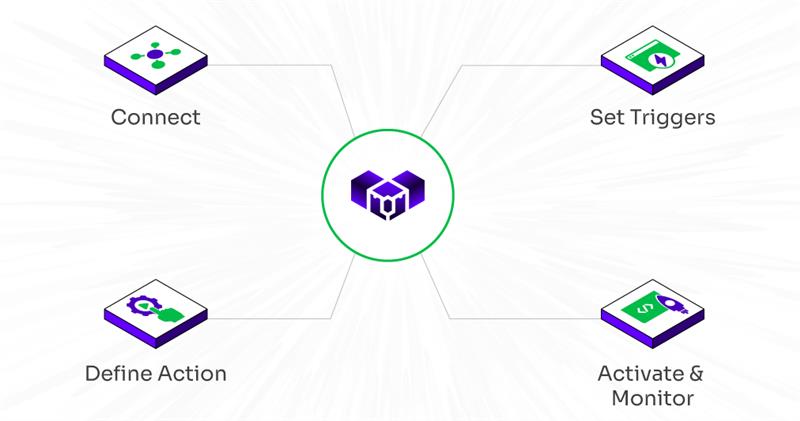
Step 1: Connect to metamask wallet
- Open kwala website and connect your metamask wallet.
- Approve the connection request in your MetaMask wallet to link it with the KWALA network.
Step 2: Select on-chain event triggers using Kwala Workflow buildler
- Select “Event” as Workflow Trigger and complete Trigger Configuration by providing Smart Contract address, Chain ID and Trigger Event details.
- Kwala auto detects the ABI for verified contracts and fetches event details.
- Optionally, you can provide source code for the Smart contract and configure Trigger Event details.
Step 3: Define your actions
- Choose the next step to define action, whether that’s sending an API call, notifying a user, or even connecting to another chain.
- All you need are API endpoints, integration details for Discord, Telegram or Slack, or if you are interacting with a chain, the smart contract address and method details.
Step 4: Activate and Monitor
- Turn the workflow on and let Kwala automate it.
- Confirm Save, Deploy and Activate actions by confirming in metamask wallet.
- View real-time logs showing fired events, executed actions, and workflow status, all from one dashboard.
Watch how Kwala connects your Web3 logic to everyday tools, effortlessly.
Where on-chain meets real-world tools
Celo drives mobile-first blockchain innovation. Kwala complements that with automation-first developer tools for Web3.
Together, they bridge on-chain logic with real-world scalability: much like how Web2 platforms once connected data and actions across apps.
Imagine this:
- A user completes a transaction on Celo → Kwala instantly logs it in a Google Sheet.
- A contract emits an event → your CRM updates automatically.
- A milestone is achieved → Kwala sends a team notification.
That’s real-time decentralised automation – without scripts, servers, or manual triggers.
Unlike traditional workflow tools that depend on extra APIs or backend setups, Kwala connects directly to your contracts. This ensures faster response times, complete data accuracy, and minimal latency across systems.
Kwala’s unique advantage
Kwala isn’t a generic automation platform adapted for blockchain; it’s built for blockchain. Here’s what sets Kwala apart from others in the race:
(Kwala website screenshot)
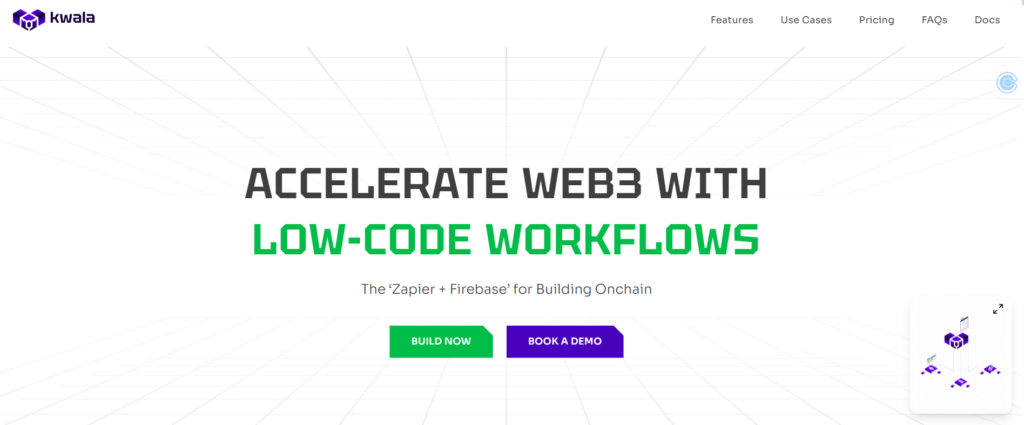
- Native on-chain compatibility: Directly listens and reacts to blockchain events.
- True no-code interface: Build complex automations visually.
- Full visibility: Monitor all workflows, on-chain and off-chain, through one dashboard.
- Scalability: Move from testing to full-scale deployment with zero reconfiguration.
In short, Kwala turns blockchain logic into automated, scalable Web3 workflows: without complexity.
The bridge between decentralisation and usability
Building on the Celo Blockchain means embracing a decentralised future that’s mobile, inclusive, and sustainable. With Kwala, you take that vision further: automating every interaction, connecting every system, and scaling every idea without writing a single line of code.
Whether you’re testing on Sepolia or deploying on Mainnet, Kwala ensures your Web3 workflows stay smooth, reliable, and efficient from start to scale.
Start building smarter. Start building on Celo – with Kwala.
FAQs on Celo Blockchain
Do I need coding experience to use Kwala on the Celo Blockchain?
No, Kwala is a no-code automation platform built for developers who want speed without managing scripts or servers. You can visually design triggers, actions, and data flows, making it easy to automate Celo workflows even if you don’t write code.
Can I test my automations safely before deploying them on Celo Mainnet?
Yes, you can fully build, test, and validate every workflow on Celo’s Sepolia Testnet. Once everything works as expected, you can switch to Mainnet instantly without rebuilding or modifying your automation.
Does Kwala support integrations beyond Celo?
Absolutely, Kwala enables cross-chain Web3 automations, letting you connect your Celo contracts with other chains and protocols. You can also plug in Web2 APIs and tools, creating unified workflows across multiple ecosystems.