
 book a call with us
The Celo Blockchain is fast becoming the go-to ecosystem for developers building real-world decentralised applications. It’s mobile-first, carbon-negative, and EVM-compatible: everything a developer needs to launch scalable dApps for a global audience. However, building on Celo isn’t just about writing smart contracts; it’s about making those contracts work smarter. That’s where Kwala comes in. Kwala is redefining how developers build and automate on Celo: no code required. As a Web3 workflow automation platform, it lets you connect smart contracts, dApps, […]
Read MoreAnyone who has tried building on Web3 knows the frustration: rising gas fees, slow transactions, and complex blockchain workflows that consume hours of developer time. Optimism blockchain was built to fix that.
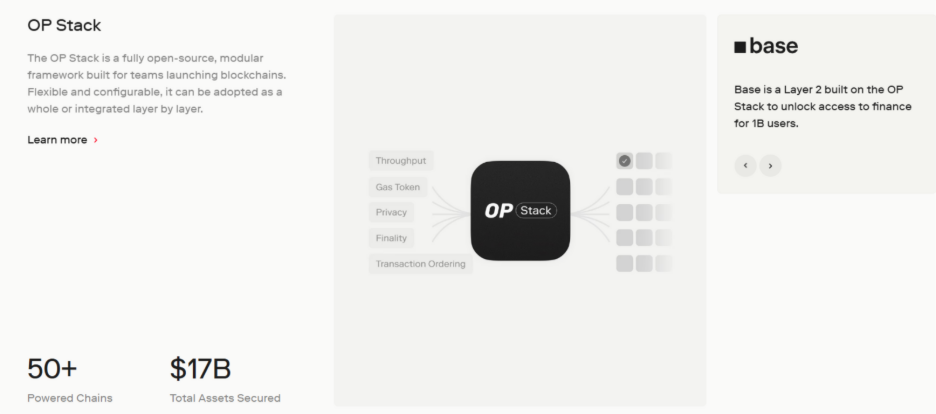
As a Layer-2 network running on Ethereum’s OP Stack, it brings speed and affordability to a decentralized ecosystem without compromising security. It’s already hitting over 200 transactions per second, setting a new standard for scalable development.
Pair that power with low-code workflow automation through Kwala, and you get on-chain development that’s faster, lighter, and infinitely more efficient.
This blog unpacks how the Optimism blockchain works, how Kwala fits in, the chains it supports, and how you can use Optimism with Kwala.
What is Optimism, and why do developers choose it?
Optimism is a Layer-2 blockchain built on Ethereum’s OP Stack, designed to make Web3 development faster and more affordable. It leverages Ethereum’s reliability while adding scalability, so transactions feel instant without sacrificing the decentralized security developers trust.
Let’s take a look at why so many teams are choosing Optimism blockchain:
- Low gas fees that actually make sense for real-world use
- EVM compatibility, so your existing contracts work right away
- Backed by a strong developer community and a growing ecosystem
- Ideal for on-chain dApps, NFTs, and cross-chain workflows
For builders who want Ethereum’s security without its speed limits, Optimism offers the balance every Web3 project needs.
How Kwala simplifies building on the Optimism blockchain
While Optimism offers speed, scalability, and lower fees, developers often struggle with handling on-chain logic, event triggers, and backend orchestration. Kwala solves this with an intuitive low-code workflow automation platform built for Web3.
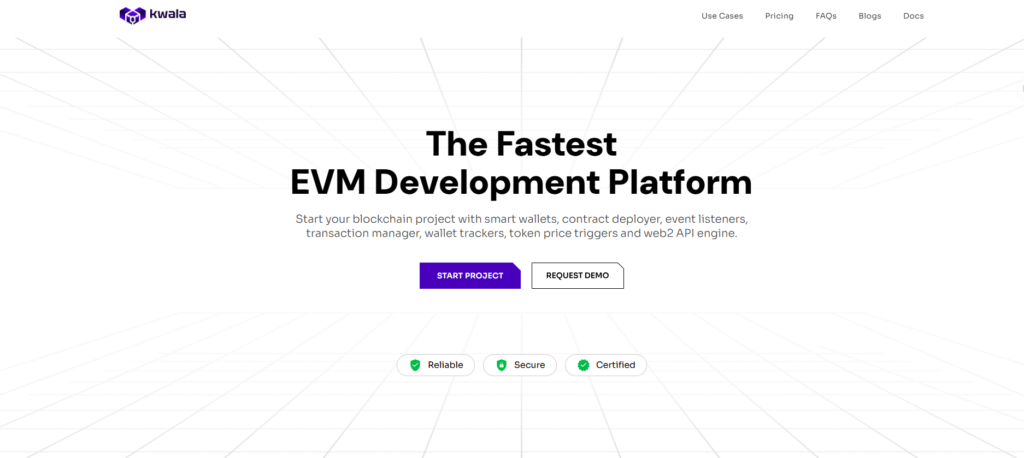
It supports both Optimism blockchain and other EVM-compatible networks, allowing developers to create automated, cross-chain systems without touching server code or redeploying logic each time.
Here’s what makes Kwala a powerful choice for builders:
- Low-code visual builder and declarative YAML scripts for creating workflows easily
- Real-time event listeners to automate responses to on-chain activities
- Web2 API integrations for hybrid automation between web and blockchain systems
- Decentralized, credit-based setup with no vendor lock-in
- Simple pay-as-you-go pricing model
- The only workflow automation protocol for Web3, designed for scalability and control
With Kwala, on-chain development becomes faster, cleaner, and more adaptable, transforming complicated processes into smart, automated pipelines that scale effortlessly.
See how Kwala can automate your Web3 workflow here
Chains supported by Kwala
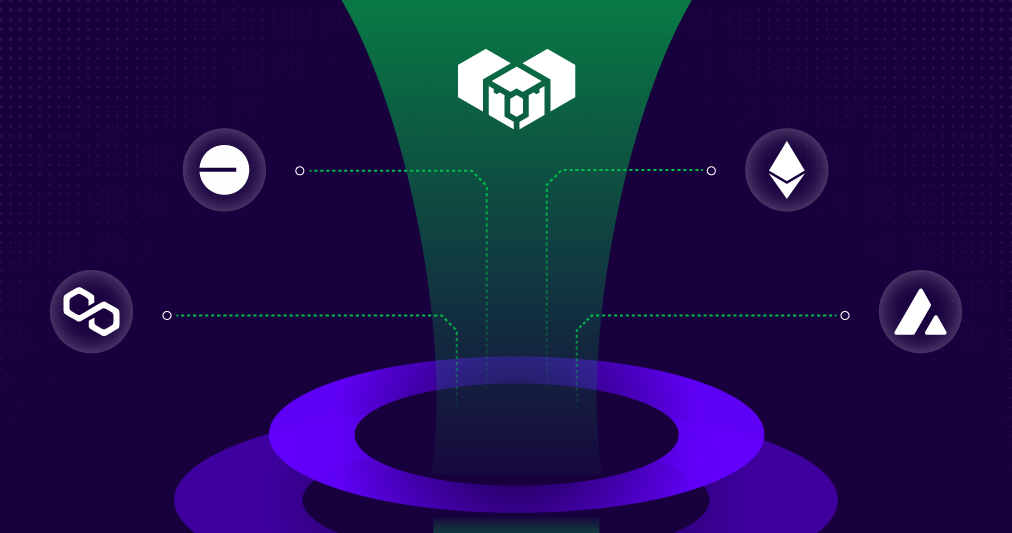
Now, while we know Kwala supports Optimism, it also seamlessly connects with a range of other major networks, giving developers the freedom to build, automate, and scale across the Web3 ecosystem.
Here are the chains currently supported by Kwala:
- Ethereum: The foundation of most decentralized applications
- Polygon: Known for speed and low-cost transactions
- Avalanche: Built for high throughput and near-instant finality
- Base: Coinbase’s Layer-2 network for efficient on-chain development
Multi-chain workflows are important because modern Web3 projects rarely operate on a single chain. With Kwala, developers can effortlessly link these ecosystems, synchronizing on-chain actions, connecting Web2 APIs, and managing everything through a low-code workflow automation dashboard.
This unified approach encourages true interoperability, enabling easier project scaling, consistency maintenance, and a seamless user experience across networks.
How to build on Optimism blockchain
Now we’ll walk you through the steps to build on the Optimism blockchain and integrate Kwala to automate your on-chain workflow.
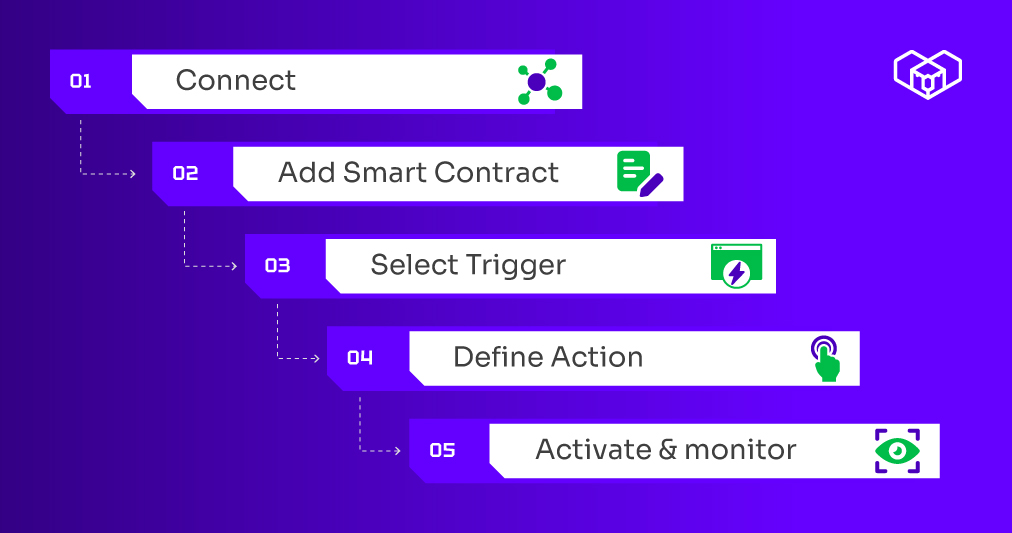
Step 1: Connect the Optimism network
Choose Optimism (Testnet or Mainnet) from Kwala’s supported chains.
Kwala establishes a secure RPC connection, allowing it to monitor contract events in real-time, eliminating the need for polling scripts and backend maintenance.
Step 2: Add your smart contract
Enter your contract address into the Kwala dashboard. Kwala auto-fetches your ABI, detects event names, and prepares them for low-code configuration.
Step 3: Select your on-chain event triggers
Pick which on-chain events Kwala should listen to. Transfers, mints, burns, custom emits, anything your contract exposes. Kwala begins tracking them continuously with fast, stable execution on the Optimism blockchain.
Step 4: Define your actions
For every trigger, choose the next step, whether that’s sending an API call, notifying a user, or even connecting to another chain. All are fully low-code, and all run inside a decentralized execution layer.
Step 5: Activate and monitor
Turn the workflow on and let Kwala automate it. View real-time logs showing fired events, executed actions, and workflow status, all from one dashboard.
Kwala lets your Optimism blockchain project stay fast, secure, and production-ready with seamless Web3 workflow automation.
Powering on-chain innovation with Optimism blockchain and Kwala
When it comes to building fast and reliable Web3 projects, the Optimism blockchain gives you the performance edge, and Kwala makes the experience effortless. The network’s scalability and low fees enable the power of Web3 workflow automation, allowing developers to skip repetitive setup work and focus on innovation.
Together, they turn on-chain complexity into a smooth, decentralized build process that actually feels simple.
Build faster on Optimism – let Kwala power your automation behind the scenes
FAQs on Optimism blockchain
What blockchain is Optimism on?
Optimism operates on top of the Ethereum blockchain as a Layer 2 network. It uses the OP Stack to offer faster, low-cost transactions while inheriting Ethereum’s security.
Is Optimism better than Polygon?
Optimism offers faster on-chain transaction finality and Ethereum-native security, while Polygon focuses on broader Web3 scalability. The better option depends on your project goals.
How does Kwala reduce backend complexity when building on Optimism?
Kwala removes the need to manage servers, polling scripts, and custom backend logic when building on Optimism. Developers can define event-driven workflows using low-code configuration or simple YAML, while Kwala handles real-time event listening, execution, and monitoring. This allows teams to focus on product logic instead of infrastructure maintenance.
Can Kwala be used to automate workflows across Optimism and other blockchains?
Yes. Kwala is designed for multi-chain workflows. Developers can listen to events on Optimism and trigger actions on other supported chains such as Ethereum, Polygon, Arbitrum, Avalanche, or Base. This makes it easier to build interoperable applications without rewriting logic or managing separate systems for each network.