
 book a call with us
How Kwala Automates NFT Workflows: 5 Tactics for Scaling Efficient Backend NFT teams often search for better workflow systems when their launches start to feel messy. Mints slow down, integrations fail, and backend scripts create more chaos than clarity. This is why more builders now prefer a backend platform for NFT workflows that removes the heavy lifting entirely. Kwala helps teams build backendless dApps by turning every NFT […]
Read MoreShipping a blockchain product feels exciting at first. A few smart contracts go live, some scripts listen for events, and everything seems fine. Then usage grows. Events get missed, retries fail silently, and cross-chain logic starts behaving unpredictably.
This is exactly where a blockchain workflow engine becomes necessary. Many teams move forward without a proper workflow engine for blockchain dev, relying on scattered automation that works only until real volume and edge cases show up.
Kwala acts as a backend as a service for Web3, taking care of orchestration, execution, and recovery behind the scenes.
In this blog, we’ll show you how Kwala helps teams move from fragile setups to production-ready workflows, and why having the right workflow engine matters before things start breaking at scale.
What a blockchain workflow engine actually is
A blockchain workflow engine is the system that keeps everything moving in the right order once your product goes live. It coordinates actions across smart contracts, different chains, APIs, and off-chain logic so nothing runs in isolation.
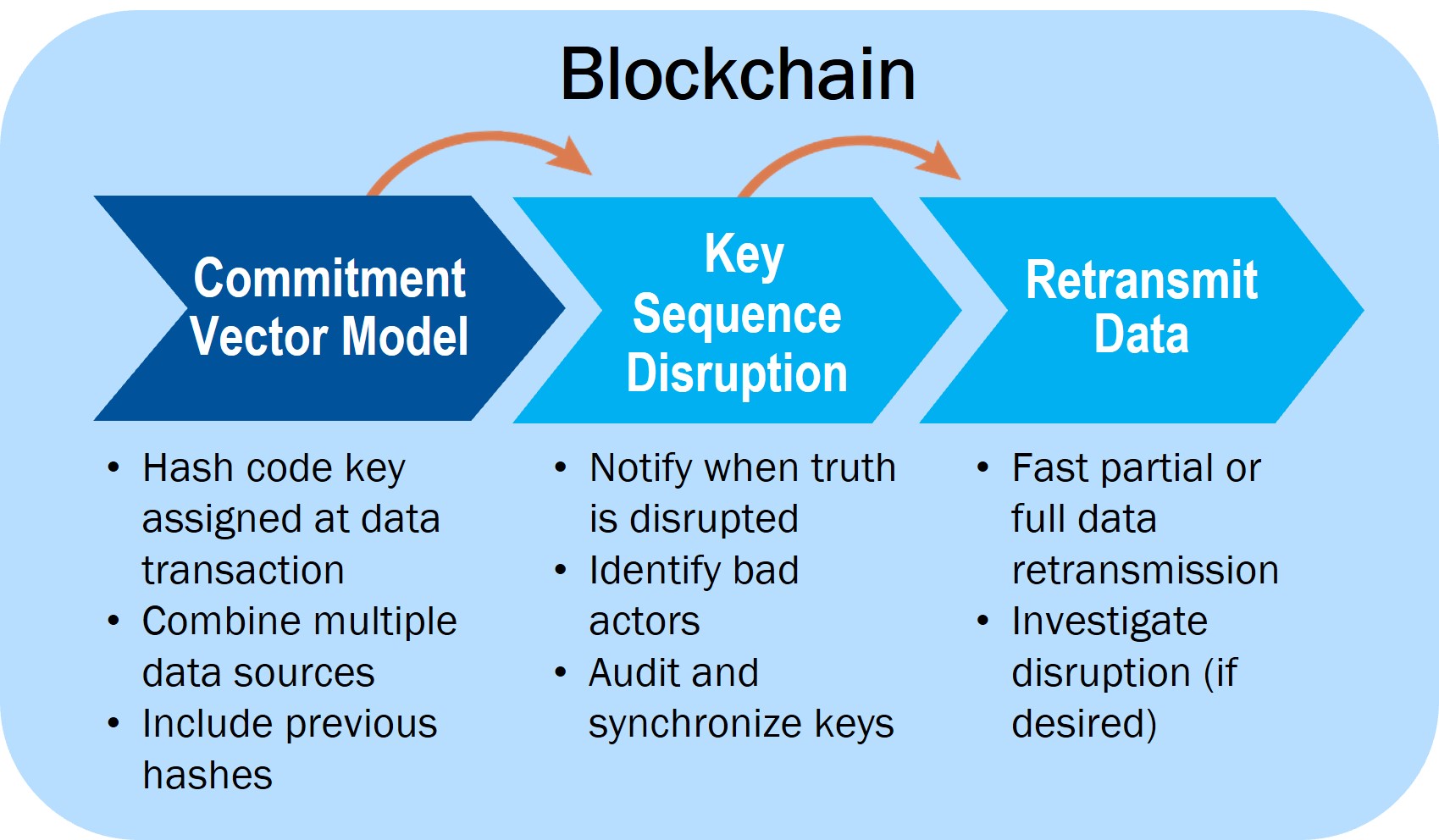
Here’s what a workflow engine for blockchain dev actually does:
- Listens to triggers such as on-chain events, off-chain signals, or time-based conditions across networks.
- Decides what should happen next using defined logic, rules, retries, and execution order.
- Executes actions like smart contract calls, data writes, API requests, or notifications without manual intervention.
A simple way to picture this is through an analogy. Smart contracts are instruments. A blockchain workflow engine is the conductor, ensuring every part plays in sync at the right time without breaking the flow.
Why most teams fail with manual blockchain workflows
Now, consider implementing a blockchain workflow engine in practice. On paper, everything sounds straightforward. In reality, building workflows manually feels fine until you realize that every single step has to be handled by you.
Here’s why manual approaches break down for most teams building a workflow engine for blockchain dev:
- Event handling is fragile because custom listeners miss events, duplicate triggers, or fail silently during network congestion.
- Retry logic is usually an afterthought, leading to stuck workflows when transactions fail or gas spikes unexpectedly.
- State management becomes messy since scripts rarely track what ran, what failed, and what needs to resume.
- Cross-chain workflows are hard to coordinate when each network needs its own logic, RPC setup, and error handling.
- Debugging turns painful because logs are scattered and failures are difficult to trace end-to-end.
- Scaling exposes cracks fast, especially when volume increases, and manual scripts cannot keep up.
This is where a proper backend as a service for Web3 starts to matter. Without it, teams spend more time fixing automation than building real product features.
Enter Kwala’s BaaS model
kwala is a stateless, declarative, event-driven automation layer designed to make blockchains usable in real-world applications. It sits above chains and turns raw blockchain activity into structured, reliable workflows without requiring teams to run backend infrastructure.
Kwala’s backend as a service for Web3 (BaaS) model is built to remove the heavy lifting that usually comes with a blockchain workflow engine. Instead of setting up event listeners, worker queues, retry logic, and cross-chain coordination, teams define workflows while Kwala handles execution.
Here’s what the BaaS model delivers for a workflow engine for blockchain dev:
- Event-driven automation that reacts to on-chain and off-chain triggers in real time.
- Managed workflow execution without servers, polling systems, or custom runners.
- Cross-chain orchestration through a single, unified workflow definition.
- Built-in retries and recovery to handle failures and network issues safely.
- Web2 and Web3 integrations using APIs, webhooks, and external services.
The result is a production-ready workflow engine where developers focus on logic, not backend complexity.
Beginner setup – your first workflow on Kwala
Getting started with Kwala is about defining intent without managing infrastructure. You focus on what should happen when an event occurs, while Kwala handles execution across chains and external systems.
Here’s how a first workflow usually comes together:
1. Define the trigger
Choose what the workflow listens to. Options include a smart contract event, wallet activity, or a time-based trigger. Clear trigger definitions keep workflows accurate and help control execution costs.
2. Select the action
Decide what runs when the trigger fires. Actions can include smart contract calls, token transfers, cross-chain operations, or API requests to external services.
3. Set the execution policy
Configure how actions run under real conditions. Retry behavior, execution limits, and safety rules help workflows handle network delays and temporary failures smoothly.
4. Deploy and monitor
Save and deploy the workflow, and let Kwala listen for incoming triggers. Execution logs and history provide visibility into what runs and confirm expected outcomes.
The setup stays simple and accessible, making it easy for mid-level developers to ship reliable blockchain automation without backend overhead.
Intermediate setup – multi-step and event-driven workflows
Once a basic workflow is live, most teams move toward multi-step automation. At this stage, a blockchain workflow engine helps coordinate several actions in a defined order, driven entirely by events rather than manual scripts.
Here’s how intermediate workflows are typically structured using a workflow engine for blockchain dev:
- Chain multiple actions together: One trigger can run several actions in sequence, such as a contract call followed by a cross-chain step and an API update. Clear sequencing keeps execution predictable and easy to follow.
- Rely on event-driven execution: Each step runs only when its trigger fires. Event-driven workflows reduce unnecessary processing and ensure actions respond directly to real blockchain activity.
- Handle failures with execution policies: Retries, limits, and safe execution rules help workflows recover from temporary network issues. These controls prevent partial execution from breaking the overall flow.
- Track workflow state across steps: Execution history shows which steps ran successfully and where failures occurred. State visibility makes debugging faster as workflows grow in complexity.
At this level, Kwala acts as a backend as a service for Web3, coordinating multi-step logic without requiring custom backend systems or manual orchestration.
Advanced logic – conditional paths and dynamic workflows
As workflows mature, logic needs to adapt to real-world variability. A production-grade blockchain workflow engine supports dynamic behavior without hardcoding every scenario or redeploying systems.
Here’s how advanced logic works with a workflow engine for blockchain dev like Kwala:
- Dynamic execution paths: Workflow behavior can change based on trigger data, execution outcomes, or external inputs. Actions follow different paths depending on what the workflow receives at runtime.
- Parameter-driven workflows: Inputs from events or APIs shape how actions execute. One workflow definition can support multiple use cases by adjusting parameters instead of duplicating logic.
- Outcome-aware execution: Workflows respond to success or failure signals during execution. Follow-up actions depend on what actually happens, not fixed assumptions.
- Resilient design at scale: Dynamic workflows reduce brittle logic and limit manual intervention. Automation stays reliable even as volume, chains, or integrations increase.
Kwala provides a workflow engine for blockchain dev that supports complex logic while keeping execution predictable, observable, and production-ready.
Building reliable blockchain workflows with Kwala
A reliable blockchain workflow engine is no longer optional once products move into production. Manual scripts and custom automation struggle to handle real usage, multiple chains, and failure scenarios.
A purpose-built workflow engine for blockchain dev brings structure, visibility, and predictable execution to complex workflows. Kwala delivers this as a backend as a service for Web3, removing the need to manage backend infrastructure while keeping workflows flexible and scalable.
Explore how Kwala helps teams build production-ready blockchain workflows with confidence
FAQs on blockchain workflow engine
What is a workflow engine used for?
A workflow engine is used to coordinate tasks, events, and actions in a defined order. In blockchain systems, a blockchain workflow engine helps automate contract calls, cross-chain actions, and integrations while keeping execution reliable and traceable.
Does ChatGPT use blockchain?
ChatGPT does not run on blockchain and does not rely on blockchain networks for operation. It works on centralized infrastructure, unlike a workflow engine for blockchain dev, which directly interacts with on-chain events and execution.
What are the 5 steps of workflow?
A typical workflow follows these steps:
- Trigger initiation
- Action execution
- State tracking
- Error handling
- Completion or follow-up