
 book a call with us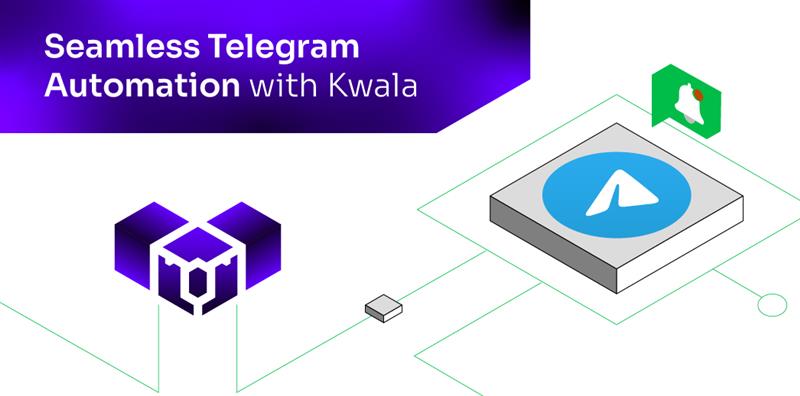
Is your backend infrastructure slowing your decentralized app (dApp) down? Relying on slow, expensive polling scripts or centralized servers means you’re always a step behind. In decentralized finance (DeFi), even a split-second delay can be costly – it could mean missing a transaction or, worse, facing liquidation from an online wallet. However, when your dApp monitors your smart contracts at the block […]
Read MoreUser onboarding in Web3 is supposed to be simple. Connect a wallet, interact with a protocol, and you’re in.
Yet in practice, many dApps still rely on backend-heavy flows: user records, authentication logic, API keys, and off-chain services stitched together just to identify who a user is. The result is friction for users and complexity for developers.
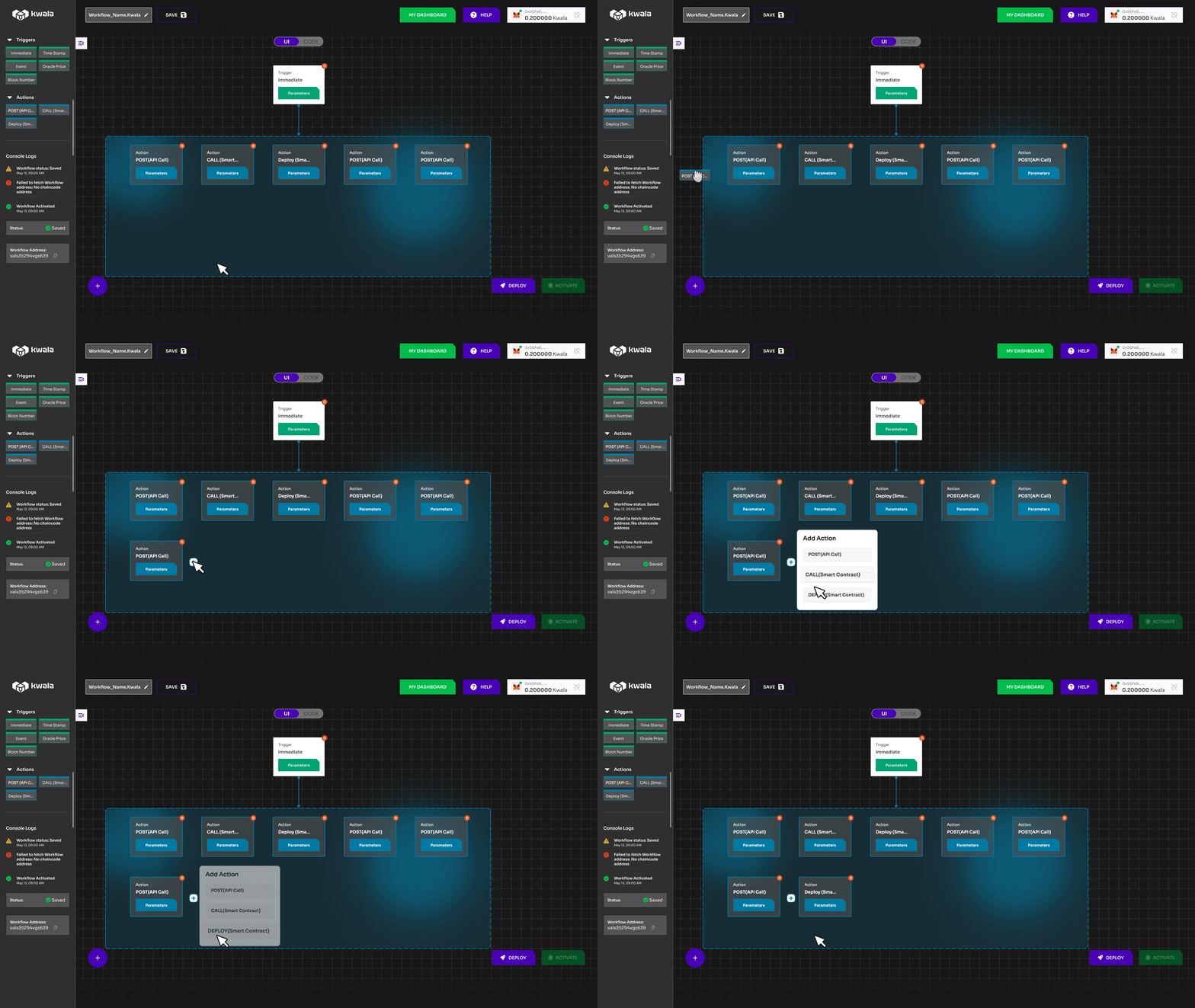
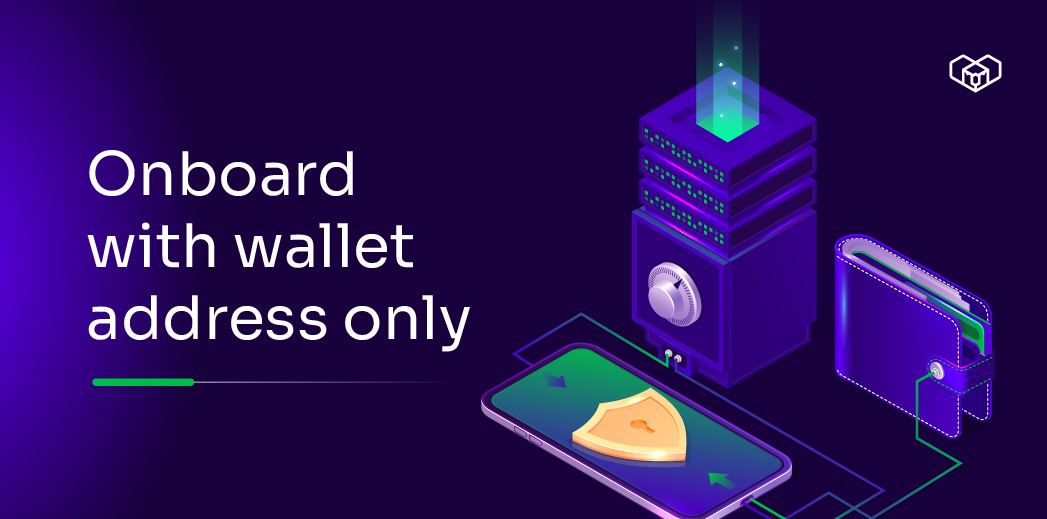
True Web3 onboarding doesn’t start with sign-up forms. It starts with a wallet address.
The challenge is building a backend that can recognize, react to, and act on that wallet activity reliably. This is where modern Web3 developer tools backend design becomes critical, and where Kwala fits naturally.
The problem with traditional Web3 user onboarding
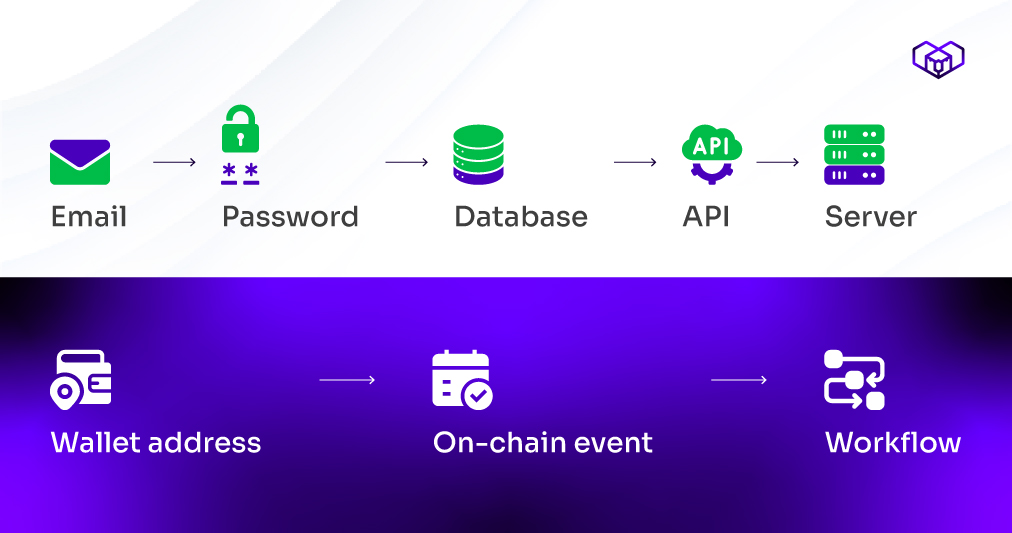
Many Web3 teams unknowingly replicate Web2 onboarding patterns. Wallets are added on top, but the backend still expects user tables, sessions, and centralized auth layers.
This creates multiple issues:
- Extra infrastructure to maintain
- Delays in reacting to on-chain activity
- Fragile event listeners and polling logic
- Inconsistent onboarding across chains
Most Web3 developer tools backend stacks struggle not because wallets are limited, but because backend systems aren’t built to treat on-chain events as the source of truth.
Wallet address as identity: the Web3-native approach
In Web3, a wallet address already represents:
- Identity
- Ownership
- Authorization
There’s no need for emails, passwords, or usernames. If a wallet interacts with a smart contract, that action is cryptographically verifiable and globally consistent.
From a user’s perspective, onboarding should be instant.
From a developer’s perspective, the backend must recognize that first interaction and trigger the right logic – automatically.
This is where wallet-only onboarding becomes less of a UI decision and more of a Web3 developer tools backend challenge.
What makes wallet-only onboarding hard for developers
Wallet-only onboarding sounds simple until you try to implement it at scale.
Developers need to:
- Monitor on-chain events across networks
- Detect first-time wallet interactions
- Trigger backend logic exactly once
- Prevent duplicate executions
- Handle cross-chain consistency
How Kwala enables wallet-only user onboarding
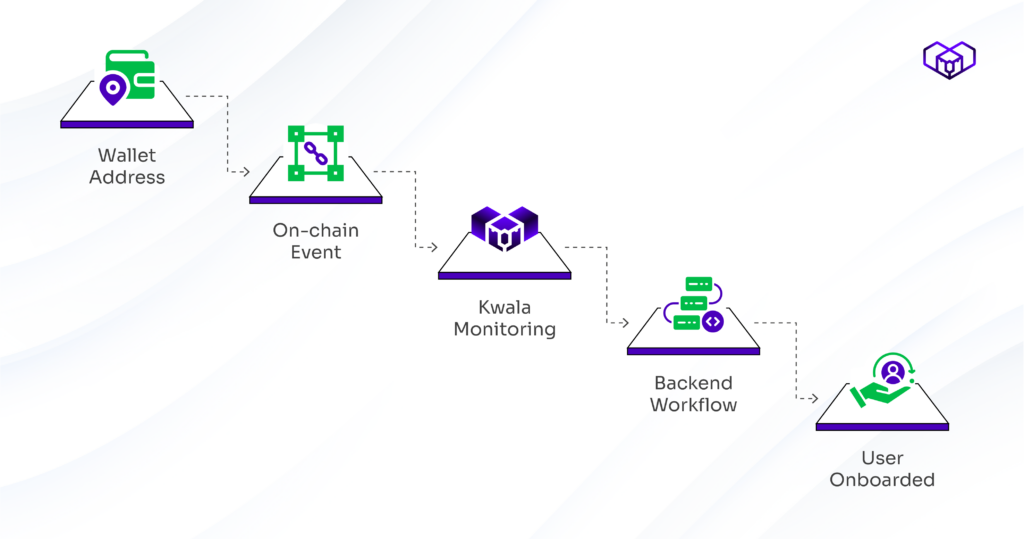
Kwala approaches onboarding from a monitoring-first backend model.
Instead of asking developers to manage servers or listeners, Kwala continuously monitors on-chain events and turns them into backend workflows. The wallet address becomes the only input needed to initiate onboarding logic.
Within modern Web3 developer tools backend ecosystems, Kwala functions as the layer that listens, reacts, and executes.
Monitoring on-chain events to detect new users
Every wallet-only onboarding flow begins with an on-chain signal.
This signal could be:
- A wallet calling a registration function
- A first transaction with a protocol
- An event emitted when a user crosses a threshold
Kwala’s core function is monitoring these on-chain events in real time. Instead of polling or relying on centralized APIs, workflows are triggered the moment an event is detected.
Turning wallet activity into backend workflows
Once an onboarding event is detected, Kwala executes predefined workflows.
These workflows follow a simple pattern:
- Event occurs on-chain
- Trigger activates
- Actions execute deterministically
Actions might include:
- Calling another smart contract
- Assigning user status
- Sending notifications
- Enabling protocol access
Since execution is coordinated across a decentralized resource pool, workflows avoid duplicate runs and race conditions – an essential requirement for reliable Web3 developer tools backend systems.
What happens after a wallet is onboarded
Wallet-only onboarding doesn’t stop at detection. It sets the foundation for everything that follows.
After onboarding, workflows can:
- Grant DAO permissions
- Activate DeFi features
- Distribute rewards or credentials
- Track ongoing user activity
Since all logic is event-driven, onboarding naturally extends into lifecycle management.
Step-by-step: wallet-only user onboarding using Kwala
This onboarding flow treats a wallet address as the only user identifier. Everything else is triggered automatically from on-chain activity.
Step 1: define user onboarding at the smart contract level
User onboarding begins on-chain.
A smart contract function is designed to register a new wallet address. When this function is called, it emits a UserOnboarded event containing:
- The user’s wallet address
- Optional identifiers (such as a messaging ID)
- Default protection or preference settings
Once the onboarding logic is defined, the contract is deployed to the target chain (for example, Polygon).
Step 2: create a new workflow in Kwala
A new workflow is created inside Kwala to handle onboarding logic.
Instead of writing backend code, the workflow is configured around:
- Trigger → the on-chain onboarding event
- Actions → what should happen once the event occurs
Step 3: set the trigger to the onboarding event
The workflow trigger is linked directly to the UserOnboarded event emitted by the smart contract.
Whenever this event appears on-chain:
- KWALA detects it in real time
- The workflow is automatically triggered
Step 4: configure the first action (welcome notification)
The first action in the workflow sends a welcome message to the user.
This can be done through:
- Messaging APIs (such as Telegram or other notification systems)
- Dynamic inputs passed directly from the on-chain event
Step 5: deploy and activate the workflow
Once configured, the workflow is:
- Saved
- Deployed
- Activated
At this stage, the workflow starts monitoring the blockchain continuously. No further backend setup is required.
Why wallet-only onboarding scales better with Kwala
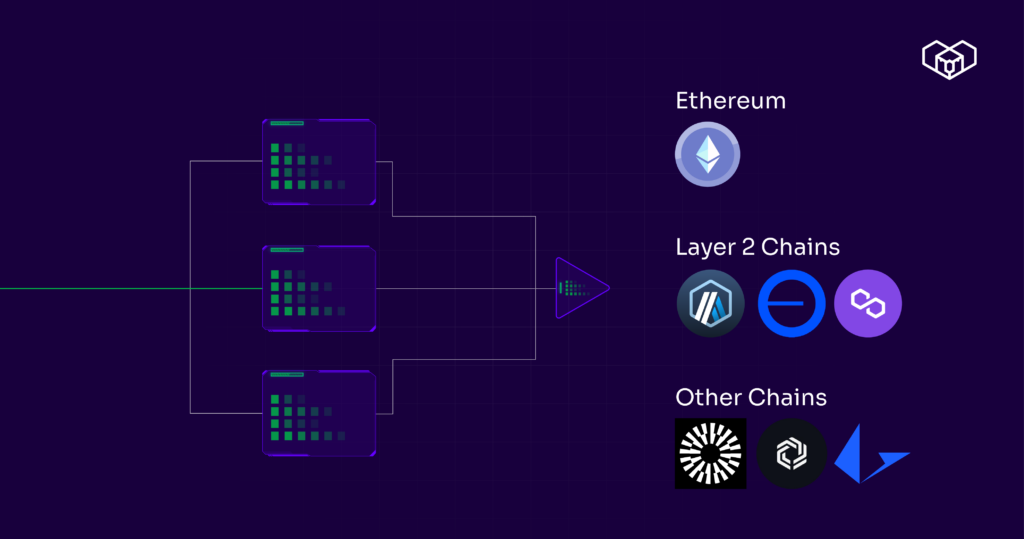
Wallet-only onboarding scales because it removes unnecessary layers.
With Kwala:
- There are no user databases to sync
- No credentials to store or secure
- No servers watching blockchains
Execution happens only when events occur, making costs predictable and usage-based. As applications grow across chains, the same onboarding logic continues to work without rewriting infrastructure.
This architecture aligns with how scalable Web3 developer tools backend platforms are expected to behave.
Common use cases for wallet-only onboarding
Wallet-only onboarding with Kwala applies naturally across Web3 verticals:
- DeFi protocols onboarding liquidity providers
- DAOs recognizing new contributors
- NFT platforms detecting first interactions
- Games onboarding players through wallet actions
Wallets are enough – if the backend is built right
Wallet-only onboarding works when backend systems are designed around events, not accounts.
Kwala enables this shift by turning on-chain activity into executable workflows: without servers, listeners, or manual orchestration. Developers don’t need more user data. They need better backend reactions.
When the backend is built to monitor and act, a wallet address is all the onboarding a Web3 application really needs.
FAQs on Web3 developer tools backend
Can wallet-only onboarding with Kwala work across multiple blockchains?
Yes. Kwala can monitor on-chain events across supported Layer 1s and Layer 2s within the same workflow. This allows a user to be onboarded on one chain and recognized across others without rebuilding backend logic for each network.
How does Kwala prevent duplicate onboarding when the same wallet triggers multiple events?
Duplicate onboarding is mitigated through safeguards at both the application and smart contract layers. The web app can restrict repeat registration attempts from the same wallet, while the smart contract can be designed to ignore or block multiple onboarding events emitted by an already registered address, ensuring each wallet is onboarded only once.
Do developers need to store user data off-chain when using wallet-only onboarding?
No, wallet-only onboarding relies on on-chain signals rather than user records. Any state or follow-up logic can be handled through workflows and smart contracts, removing the need for traditional user databases.