
 book a call with us
Web3 was built on the promise of decentralization, yet many developers still find themselves tied to centralized tooling. Platforms like Moralis and Thirdweb make onboarding and deployment easier. But that convenience comes with trade-offs: they control the infrastructure, dictate data flows, and set the guardrails around what developers can or cannot build. They have pushed space forward, but they […]
Read MoreEver felt like your Web3 project hits a wall just when things start getting exciting?
You’ve set up your smart contracts, the frontend looks great, but then the backend complexity slows everything down. That’s the part no one warns you about.
Tools like Thirdweb offer a solution to launch quickly, but when your app requires automation, event handling, or cross-chain syncing, the backend becomes a different beast.
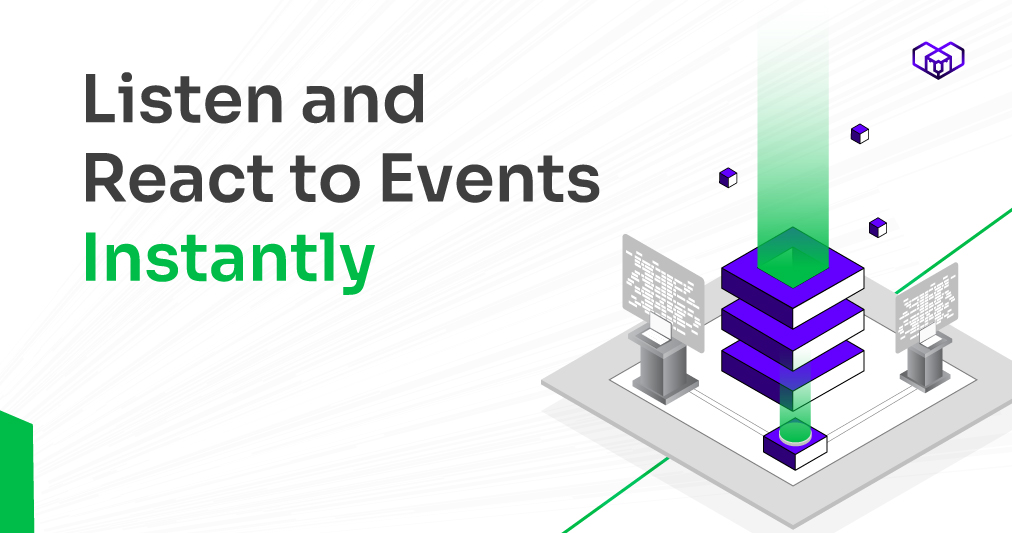
That’s where Kwala steps in. It acts like your invisible co-pilot, listening to on-chain events, reacting instantly, and building real Web3 workflows automatically.
In this blog, we’ll explore how Thirdweb helps you build, and how Kwala helps you automate, scale, and run smarter.
How Thirdweb and Kwala stack up
Building Web3 apps requires the right tools for every challenge. Thirdweb and Kwala operate at different layers of the Web3 development stack.
Thirdweb helps you with smart contract deployment, frontend integration, and SDKs, to get your dApp off the ground. However, the burden of automation will still be on your shoulders.
This is where Kwala’s role becomes important. This platform listens to and reacts to on-chain events and API triggers, automating workflows in real-time. It helps build automated, multi-step flows that link blockchains to Web2 APIs and legacy software.
According to a study by Gartner, 30% of businesses will automate more than half of their network activities. This shows how automation and Web3 workflow automation is becoming the standard. And Kwala brings this reality to your Web3 backend.
Use case for Thirdweb
Let’s assume that you’re planning to release a new NFT collection. With Thirdweb, you can get your smart contract live in minutes, set up the interface, and start minting.
Since automation is limited, manual coding will be required for notifications, event tracking, or connecting external systems.
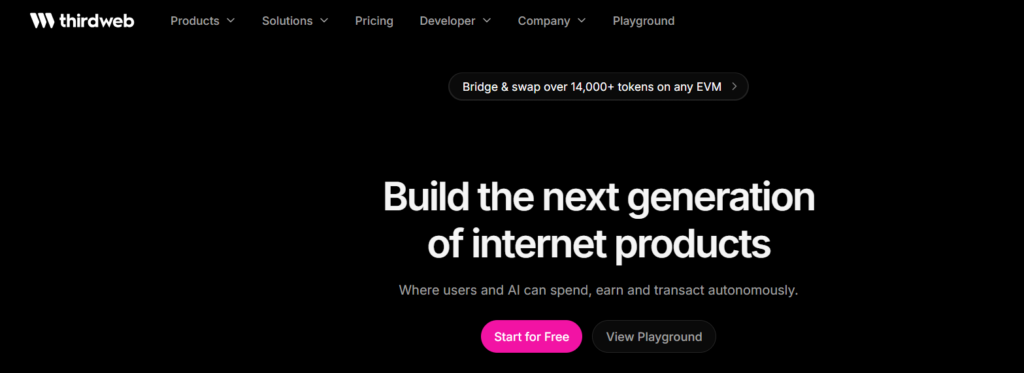
Use case for Kwala
Now, let’s visualize the same scenario with Kwala – the first workflow automation protocol for Web3, built on the core principle of decentralization.
Unlock the Power of Web3 Automation with KWALA | Product Demo
You’ve launched a new NFT game collection across multiple blockchains. With Kwala’s low code platform, visual builder, and declarative YAML scripts, you can set up the entire workflow without writing a single line of code or managing servers.
It listens to token transfers, smart contract activity, and multi-chain triggers while handling wallet integration, secure transactions, and cross-chain orchestration – all automatically. This keeps your workflow transparent, on-chain, and truly decentralized.
Thirdweb vs Kwala: A detailed comparison
Now that we know what both tools can do, let’s compare them in detail:
| Features | Thirdweb | Kwala |
| Purpose | A developer platform providing SDKs, templates, and tools to build Web3 apps on various blockchains. | A decentralized backend protocol automating workflows for Web3 apps. It also helps connect blockchain logic with Web2 APIs. |
| Architecture | Centralized service with APIs and hosted infrastructure. | Fully decentralized, credit-based model. |
| Suitable for | Developers looking for pre-built smart contracts, NFTs, and blockchain integration libraries. | Enterprises, product managers, and automation engineers who need a backend to support and execute Web3 technology workflows. |
| Pricing Structure | Tiered subscription (free + paid plans) based on usage and features. | Pay-as-you-go credits, so you only pay for what you use, no recurring vendor lock-in. |
| Deployment | SDK-based code integration into your frontend/backend stack. | No SDK dependency; works as an event-driven automation engine listening to on-chain/off-chain triggers. |
| Automation | Limited automation; focused on contract templates, deployment, and asset management. | First-ever Web3 workflow automation protocol that automates multi-chain actions and integrates with Web2 endpoints. |
| Vendor Lock-in | The ecosystem is integrated within the Thirdweb architecture. | No, the protocol works with multiple environments and APIs. |
| Blockchain Support | Multiple EVM-compatible chains plus Ethereum, Solana, and select Layer 2s like Polygon. | Supports popular blockchain networks, EVM chains, alongside Web2 API integrations. |
| Web2 API Integration | Minimal; mostly blockchain-centric. | Offers full support for HTTP/Web2 APIs, enabling hybrid workflows between traditional and decentralized systems. |
| Ownership of Data/Code | Within the platform ecosystem, there is a partial dependency on Thirdweb hosting. | Fully decentralized execution. Hence, your data and automation logic remain portable. |
If you’re also evaluating other dev tools, you can read our detailed Moralis vs Thirdweb comparison for a broader view of the ecosystem.
Which tool is better for Web3 technology?
You can launch an NFT collection with Thirdweb. But tracking wallets, sending notifications, and syncing cross-chain data is manual and error-prone.
Kwala – a low-code Web3 automation platform is the solution to that problem. It’s like having a backend support that thinks for itself. With workflow automation, it keeps your dApp scalable and responsive.
Here are a few features where Kwala really stands out:
- Decentralized backend: This no-code, serverless platform powers your Web3 apps without relying on a central vendor.
- Visual and scripted automation: Provides a drag-and-drop workflow builder with a YAML script for advanced use cases.
- Credit-based pricing: You pay only for what you use with no upfront costs or vendor lock-in.
- Workflow automation: Automates Web3 workflows with pre-built templates, wallet integrations, and DAO proposals.
- Web2 & blockchain integration: Supports Web2 API calls and popular blockchain networks for seamless interoperability.
Build smarter, automate better with Kwala
Automation in Web3 isn’t about convenience, but survival as well. As networks expand and dApps become more dynamic, the backend burden only grows heavier. With Kwala, you can build intelligence straight into your dApp.
You don’t even have to patch tools, write endless scripts, or manage complex backends. Kwala does it all for you, that too without constant manual oversight. What once took weeks of backend setup now happens in hours, saving you valuable time.
The next wave of Web3 will be shaped by automation-first thinking. If you’re curious, Kwala has resources that show how this can work in practice.
FAQs on Thirdweb vs Kwala
1. Can Thirdweb workflows be launched without developer coding?
No, while Thirdweb provides prebuilt smart contracts and SDKs, you’ll still have to write or configure code to set up workflows and automate logic. It does not provide a true no-code backend automation layer.
2. Does Kwala require backend infrastructure or servers for automations?
Kwala’s no-code, serverless platform supports automations without backend coding or server management. All workflows execute through its no-code YAML system.
3. Which platform is better for a no-code Web3 backend setup?
Kwala is designed specifically for no-code backend automation, making it the stronger choice for teams wanting to avoid coding or DevOps. It handles event-driven workflows end-to-end without requiring custom scripts.