
 book a call with us
You can track on-chain events all day, yet the one update that matters still slips by unnoticed. Logs get messy, updates lag, and custom scripts break at the worst times. Developers may also struggle with unreliable RPC endpoints, rate limits, inconsistent indexing, and maintaining cron jobs or listeners that silently fail. And the more chains or contracts […]
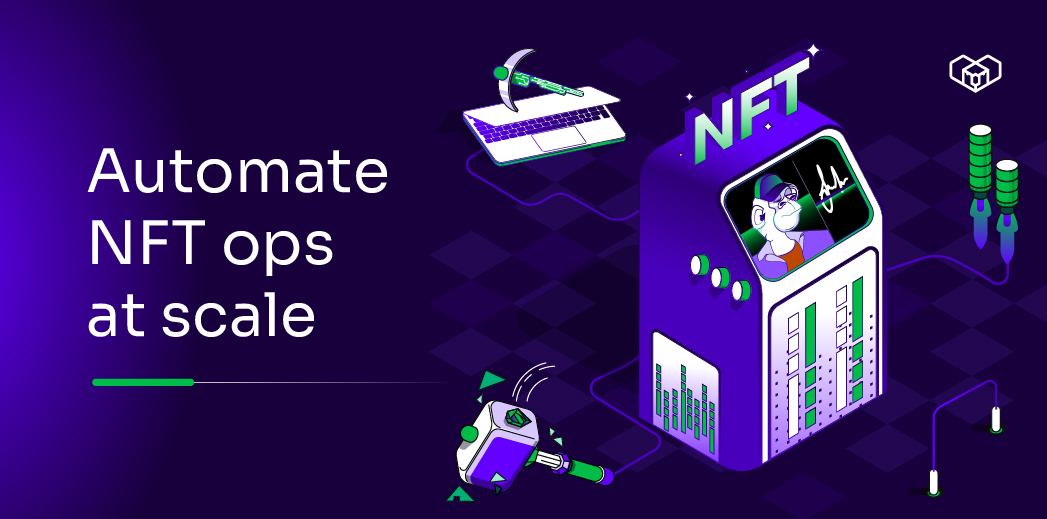
Read MoreHow Kwala Automates NFT Workflows: 5 Tactics for Scaling Efficient Backend NFT teams often search for better workflow systems when their launches start to feel messy. Mints slow down, integrations fail, and backend scripts create more chaos than clarity. This is why more builders now prefer a backend platform for NFT workflows that removes the heavy lifting entirely.
Kwala helps teams build backendless dApps by turning every NFT event into an automated action across chains, contracts, and Web2 tools. As a web3 integration platform, it lets you replace servers with simple workflows.
Below, you’ll see how Kwala automates NFT workflows using five tactics designed to scale your backend with ease.
Tactic 1: Event-driven NFT automation without servers
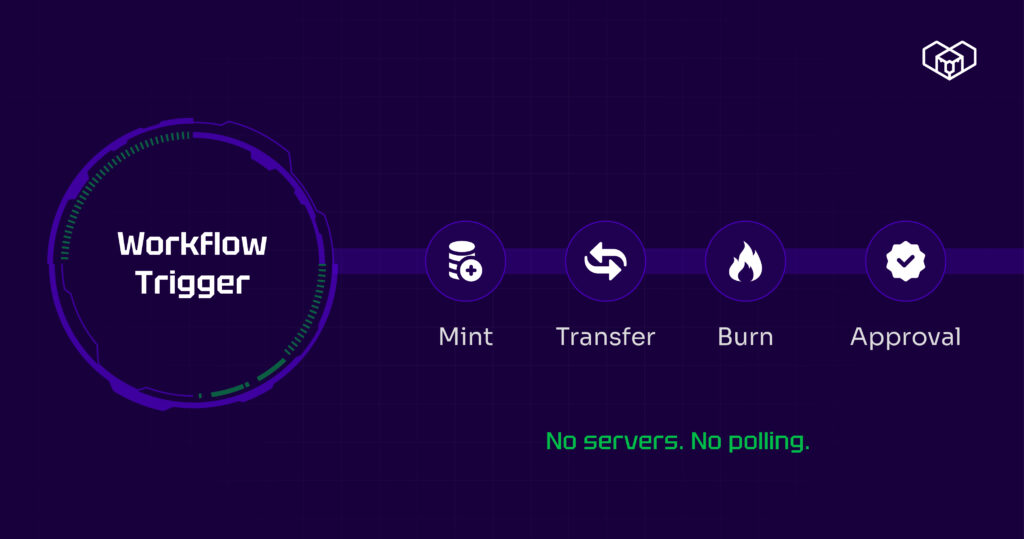
NFT workflows need reliable on-chain triggers to scale. Traditional backends rely on custom listeners or polling, which often become fragile as activity increases.
kwala acts as a stateless, declarative, event-driven automation layer that listens to smart contract events and coordinates execution. Developers don’t need to run backend servers-Kwala abstracts the operational burden of trigger handling and execution management.
Let’s look at how it handles the event layer with no servers at all.
Instant detection of on-chain NFT activity
Kwala reads smart contract events directly, giving you a backend platform for NFT workflows that reacts the moment something changes. It picks up every mint, transfer, burn, or approval the second it appears on-chain. No polling. No servers. No fragile RPC listeners.
Your workflows respond in real time, allowing backendless dApps to maintain predictable execution as demand scales.
Clean extraction of NFT data from every event
Instead of writing custom parsers, Kwala uses re.event(index) to capture key details like tokenId, owner address, metadata URI, and traits. The logic stays simple and consistent across chains, and the web3 integration platform handles all formatting under the hood. Your workflows stay clean, predictable, and easy to maintain.
Removal of legacy backend components
With Kwala, teams walk away from:
- RPC listeners
- WebSocket setup
- Cron-based triggers
- Manual log indexing
The entire detection layer becomes invisible, stable, and automatic, giving you a foundation that scales without backend engineering.
Tactic 2: Automate on-chain actions with zero backend code
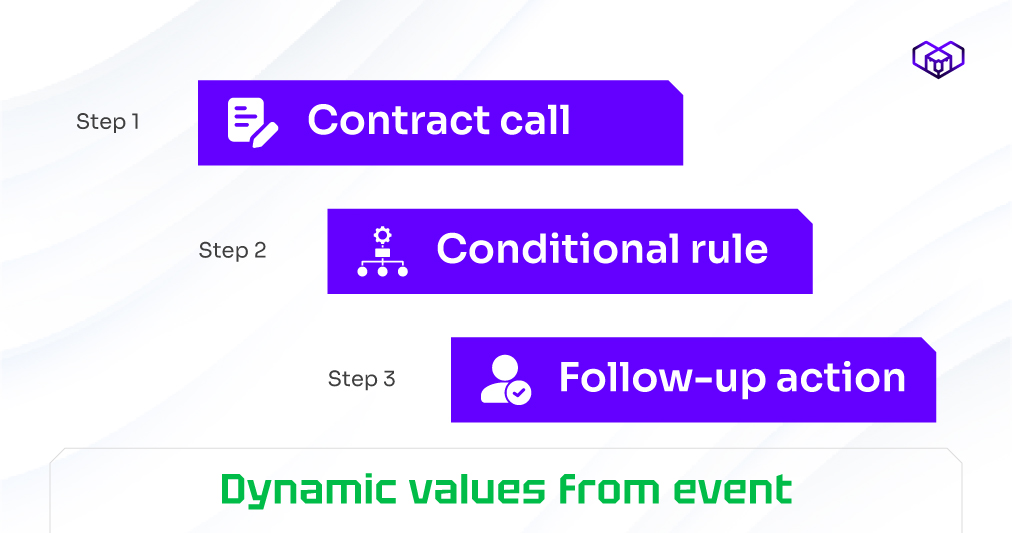
Most NFT projects know how to catch an event, but the real challenge comes right after it. What happens the moment that an NFT is minted? What fires next? How do you keep the flow smooth without spinning up servers or writing scripts?
This is where Kwala steps in and handles the entire chain reaction for you. Let’s see how:
Multi-step automation built for real NFT utility
Most NFT logic extends far beyond the mint. Kwala supports chained steps, conditional rules, and dynamic values pulled from the event itself. These capabilities let teams build backendless dApps that run smoothly, multi-step pipelines with ease. The web3 integration platform handles the heavy lifting while your logic stays simple.
Stateless design with consistent execution
kwala does not store the business state. It reads the blockchain as the single, trusted source of truth. So, the workflows stay predictable, reduce failure risk, and make automation far more reliable than custom scripts or server-based logic.
Tactic 3: Connect NFT events to web2 systems instantly
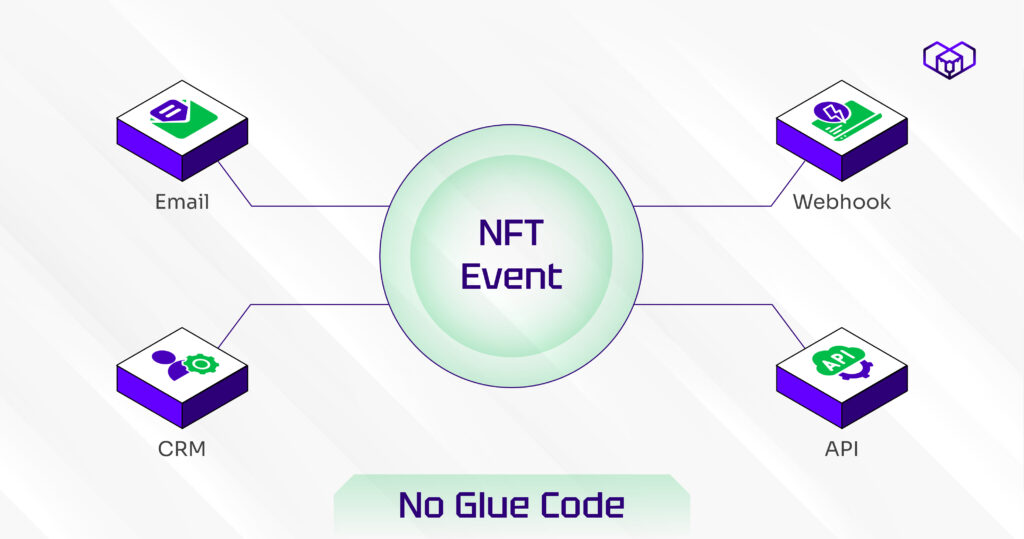
NFT utility often depends on what happens off-chain, yet this is where a lot of teams run into messy engineering work. Kwala solves this by linking your token events to everyday tools without servers or scripts.
Let’s see how it creates this bridge:
Send emails, trigger APIs, and update CRMs without writing code
Kwala turns every mint into an actionable signal for your Web2 stack. Here’s what that looks like in practice:
- Notify any Web2 tool the moment an NFT appears
- Send welcome emails enriched with metadata
- Trigger loyalty or rewards APIs
- Push holder records into HubSpot or Airtable
- Fire webhooks to merch or fulfillment systems
Powered by the web3 integration platform, these actions run without glue code or backend wiring, keeping communication smooth and removing the usual integration headaches.
Connect NFTs to digital products and gated experiences
When NFTs unlock access or benefits, the backend usually becomes the bottleneck. Kwala removes that friction by connecting on-chain ownership to real utility:
- Activate paid subscriptions
- Open protected digital files
- Grant access to members-only areas or private communities
This lets you build backendless dApps that deliver real value instantly, without a developer maintaining logic behind the scenes. The result is a cleaner, more dependable access flow.
Tactic 4: Cross-chain NFT logic with a single YAML file
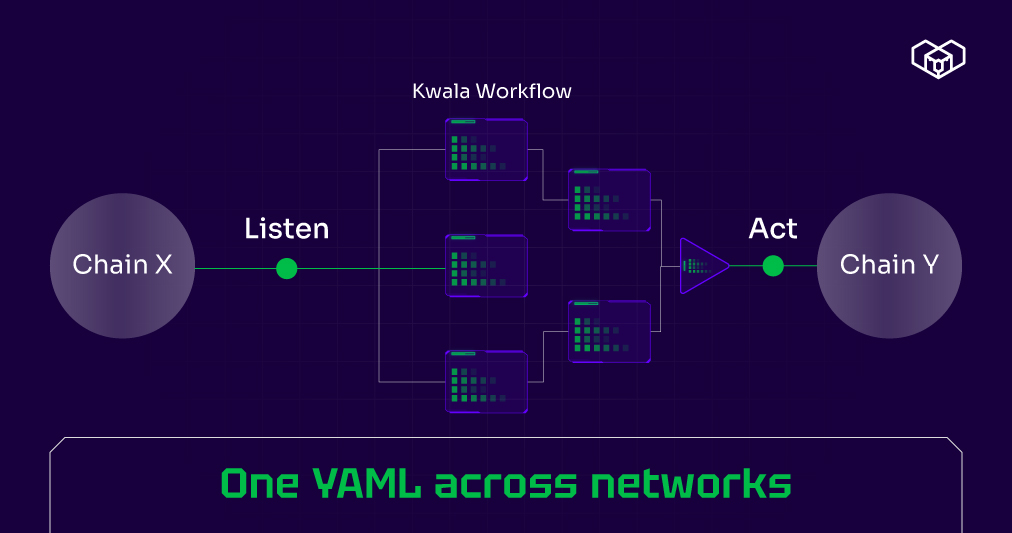
NFT projects often spread across multiple chains, and keeping everything aligned can get messy fast. Kwala solves this with one workflow that works everywhere.
Here’s how it keeps multi-chain automation clean:
Automate logic across Ethereum, Polygon, Solana, and more
Kwala can listen on one chain and act on another, making cross-chain drops and asset movement straightforward. This gives you a backend platform for NFT workflows that works the same way across ecosystems.
A single YAML file triggers contract calls, updates supply, or syncs state across networks, helping teams build backendless dApps without extra infrastructure.
Multi-chain sync without bridges or custom layers
Kwala handles the heavy lifting for items, metadata, and achievements:
- Sync gaming assets
- Update metadata across networks
- Migrate NFTs cleanly
- Bridge player progress
No custom bridges. No indexing layers. No chain-specific RPC setups. The web3 integration platform runs the orchestration internally, so even complex cross-chain workflows stay simple and stable.
Tactic 5: Build reliable, scalable NFT workflows without backend overhead
Keeping NFT operations stable is often harder than building the workflow itself. High traffic, partner APIs, and inconsistent infrastructure create outages that slow teams down. Kwala avoids these problems entirely by running your automation inside an execution layer built for consistency, not maintenance.
Here’s how it keeps things stable at scale:
Load-proof automation that adapts to traffic
Kwala absorbs spikes during mints or drops without manual scaling or server tuning. Workflows behave the same whether you’re handling a small release or a massive multi-chain campaign. This provides a robust backend platform for NFT workflows that remains stable under pressure.
Predictable costs through a credit model
Credits make operations easier to budget:
- Pay only for triggers, actions, and API calls
- No scaling costs
- No surprise cloud bills during peak periods
Teams can build backendless dApps with consistent expenses, even in high-volume environments.
Fault-tolerant execution for production environments
Kwala’s deterministic workflows, sandboxing, and cryptographic signatures keep automation predictable even when external systems slow down or retry. The web3 integration platform manages recovery internally, reducing failure points and keeping your NFT operations stable without engineering intervention.
Kwala as the web3 integration platform for reliable NFT automation
Kwala makes NFT operations feel lighter. You don’t need servers, scripts, or complicated setups to keep things running. It works as a backend platform for NFT workflows, handling the busywork while you focus on the actual project.
With one workflow file, you can build backendless dApps that react to events, move across chains, and plug into your Web2 tools. It’s a web3 integration platform that keeps automation steady without adding extra weight to your team.
If you want your NFT workflows to run smoother, try Kwala
FAQs on backend platform for NFT workflows
What is the backend of the blockchain?
The backend of a blockchain is the distributed network of nodes that store data, validate transactions, and maintain the ledger. There’s no single server; the network itself acts as the backend.
Is NFT worthless now?
NFTs aren’t worthless, but the hype cycle has cooled. The value has shifted from collectables to real utility, like memberships, gaming assets, and digital ownership.
Is NFT legal in India?
Yes, NFTs are legal in India. They can be bought, sold, and owned. However, they fall under general tax regulations, and India does not have a dedicated NFT law yet.